Remote Ghar
Remote Ghar
Remote Ghar
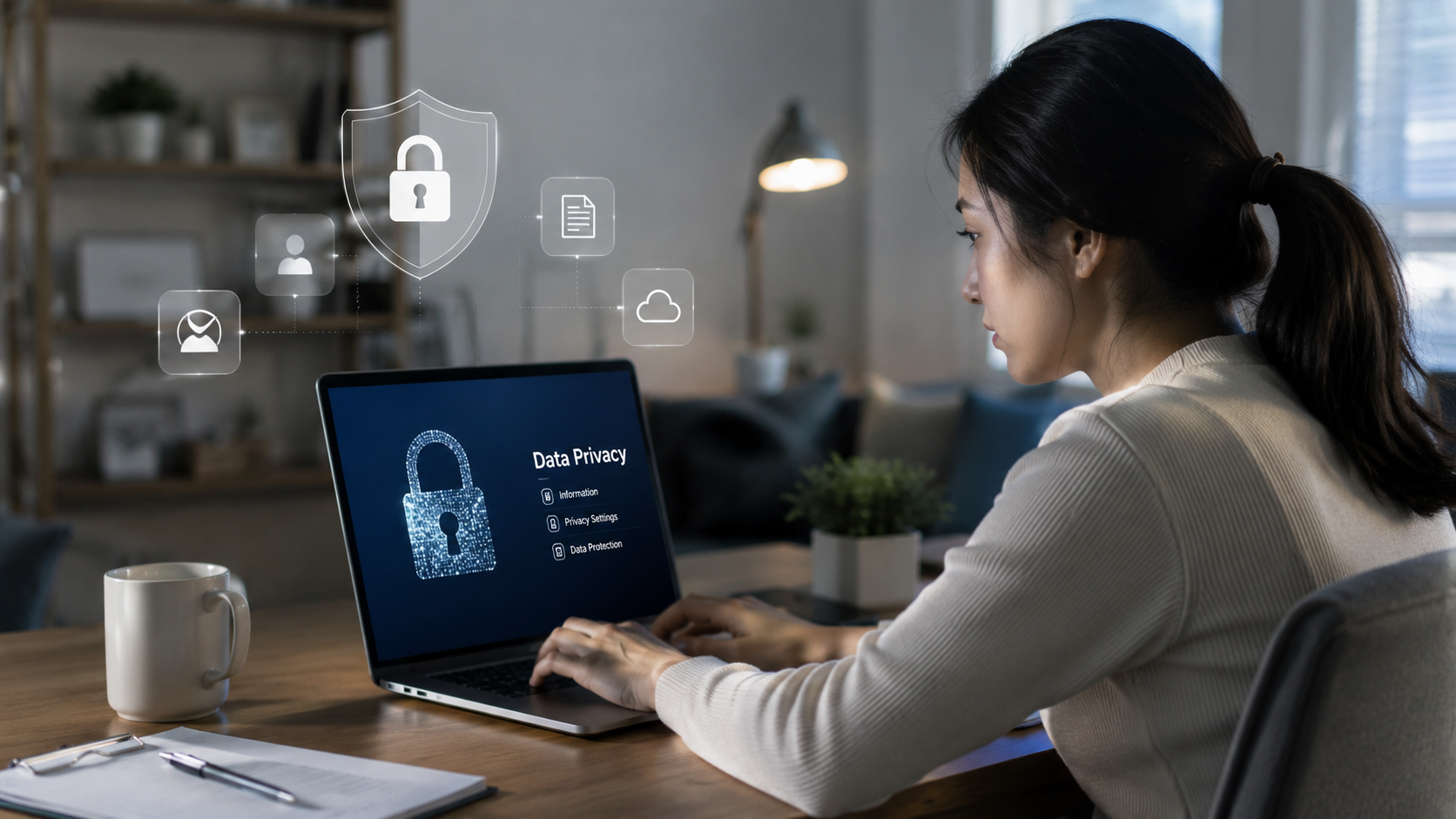
When we talk about the rapid advancement of Artificial Intelligence, the conversation usually revolves around computing power, sophisticated algorithms, and the sheer volume of data required. However, there is a critical component that often gets overlooked until it becomes a crisis: Data Privacy.
As AI models become more deeply integrated into industries like healthcare, finance, and legal services, the data used to train them becomes increasingly sensitive. When training data includes personally identifiable information (PII) or confidential corporate strategies, ensuring that data remains secure during the labeling and moderation process is paramount.
Historically, companies handled sensitive data by locking workers in secure, air-gapped rooms where cell phones were banned and USB drives were disabled. But the scale required for modern AI training makes centralized, in-office labeling impossible.
We must rely on distributed remote workforces. So, how do platforms like RemoteGhar maintain military-grade security while utilizing a global pool of freelancers?
"In the age of AI, data is the most valuable currency. Protecting it requires a delicate balance between rigorous security protocols and user-friendly platforms."
Building an advanced AI model is an incredible achievement, but if it comes at the cost of user privacy, the project will ultimately fail. For enterprise companies looking to scale their AI operations, partnering with a platform that treats security as a foundational feature—rather than an afterthought—is the only way forward.
Remote Ghar