Remote Ghar
Remote Ghar
Remote Ghar
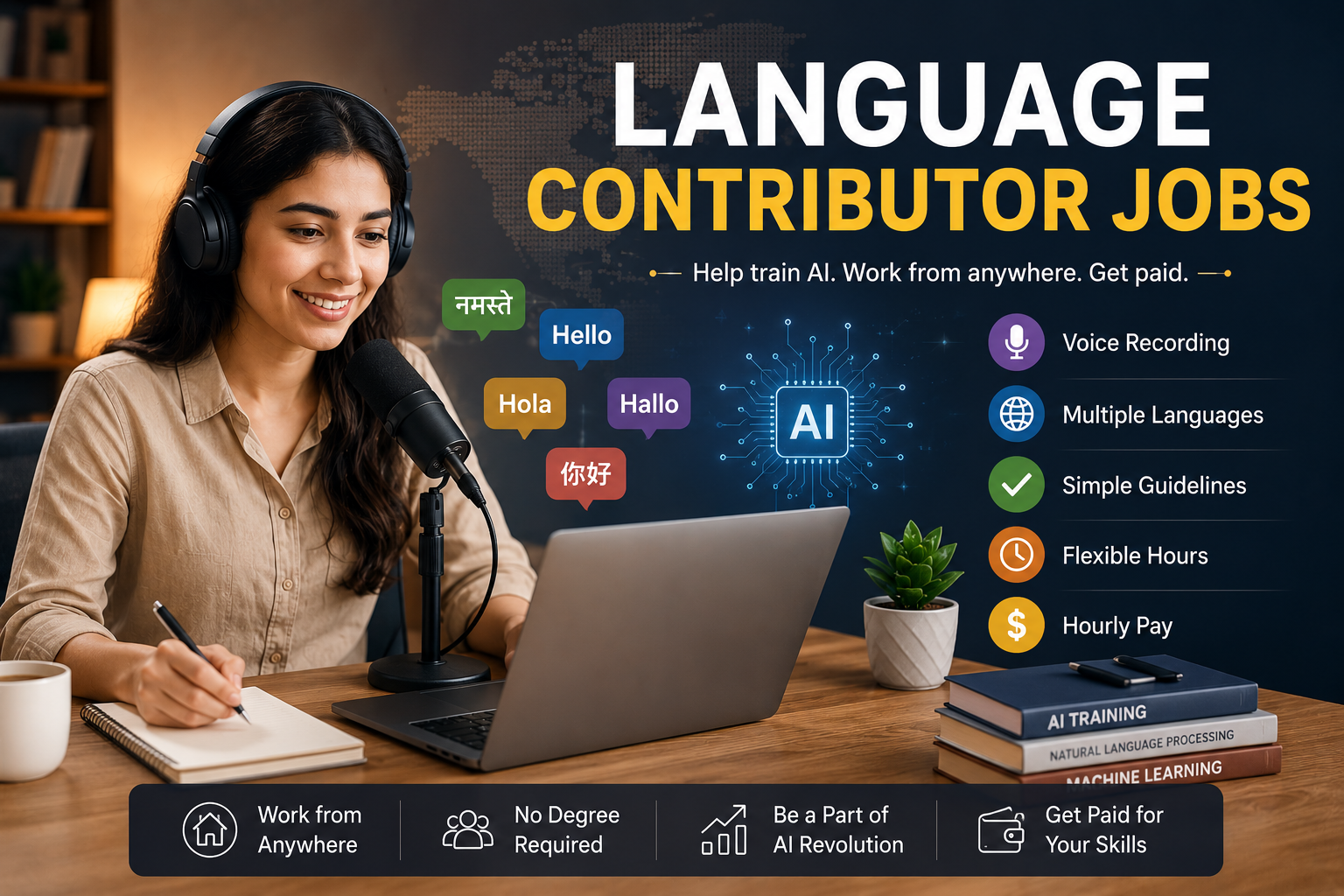
Artificial intelligence is creating new opportunities for people to work from home. From data collection and annotation to AI training projects, companies are looking for individuals who can help improve AI systems.
The best part is that many of these roles are beginner-friendly and require only basic computer skills. In this guide, we'll explore popular AI data jobs, the skills you need, and how to get started in this growing field.
Artificial intelligence continues to transform industries worldwide. Organizations are investing heavily in AI technologies to automate processes, improve customer experiences, and make data-driven decisions.
As AI adoption grows, so does the need for professionals who can collect, organize, analyze, and prepare data for machine learning systems. Remote AI data jobs have become increasingly common because many tasks can be performed from anywhere with a reliable internet connection.
Some of the most in-demand remote AI data roles include:
Digital transformation initiatives have also encouraged businesses to embrace distributed teams, creating more opportunities for remote professionals worldwide.
Many remote AI data jobs are offered by companies based in:
However, remote hiring has enabled professionals from Asia, Africa, South America, and Eastern Europe to access global employment opportunities.

Technology companies rely heavily on data to train and improve AI models. These organizations frequently hire remote workers for:
AI is no longer limited to technology firms. Industries such as:
We now require professionals to support AI-driven initiatives and data management projects.
Many organizations outsource AI-related work to consulting firms and specialized service providers. These companies regularly recruit remote contributors, analysts, and support professionals.
Remote AI data careers offer several advantages:
Despite the benefits, remote work presents unique challenges:
A successful remote AI data professional typically needs:
Python is the most widely used programming language in AI and data science. It is commonly used for:
SQL is essential for managing and querying databases. Most data-related positions require at least basic SQL proficiency.
Although not as universally required as Python, R remains valuable for statistical analysis and research-focused projects.
Employers often look for experience with:
Beginners should understand:
A foundational understanding helps candidates work effectively with AI teams.
Relevant academic backgrounds include:
Many successful AI data professionals enter the field through:
Popular certifications include:
These certifications can strengthen a beginner’s resume and demonstrate commitment to learning.
Remote teams rely heavily on written communication. Clear reporting and collaboration are essential.
AI projects often involve identifying data inconsistencies and finding practical solutions.
Strong analytical skills help professionals interpret data and support informed decision-making.
Remote workers must independently manage deadlines, priorities, and daily responsibilities.
Success in remote roles often depends on maintaining productivity without direct supervision.
Data analysts help organizations:
Daily work may involve:
A typical progression path may include:
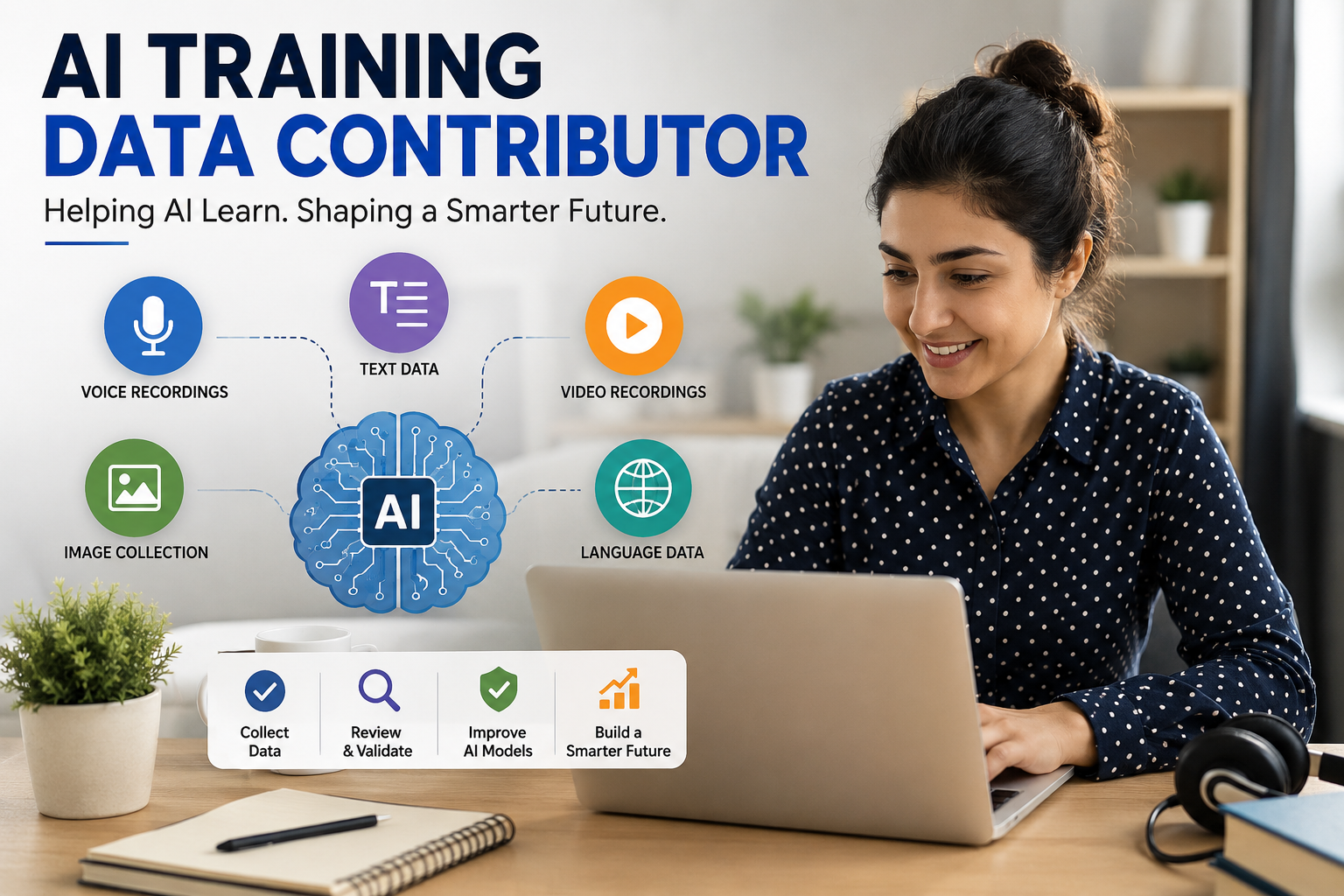
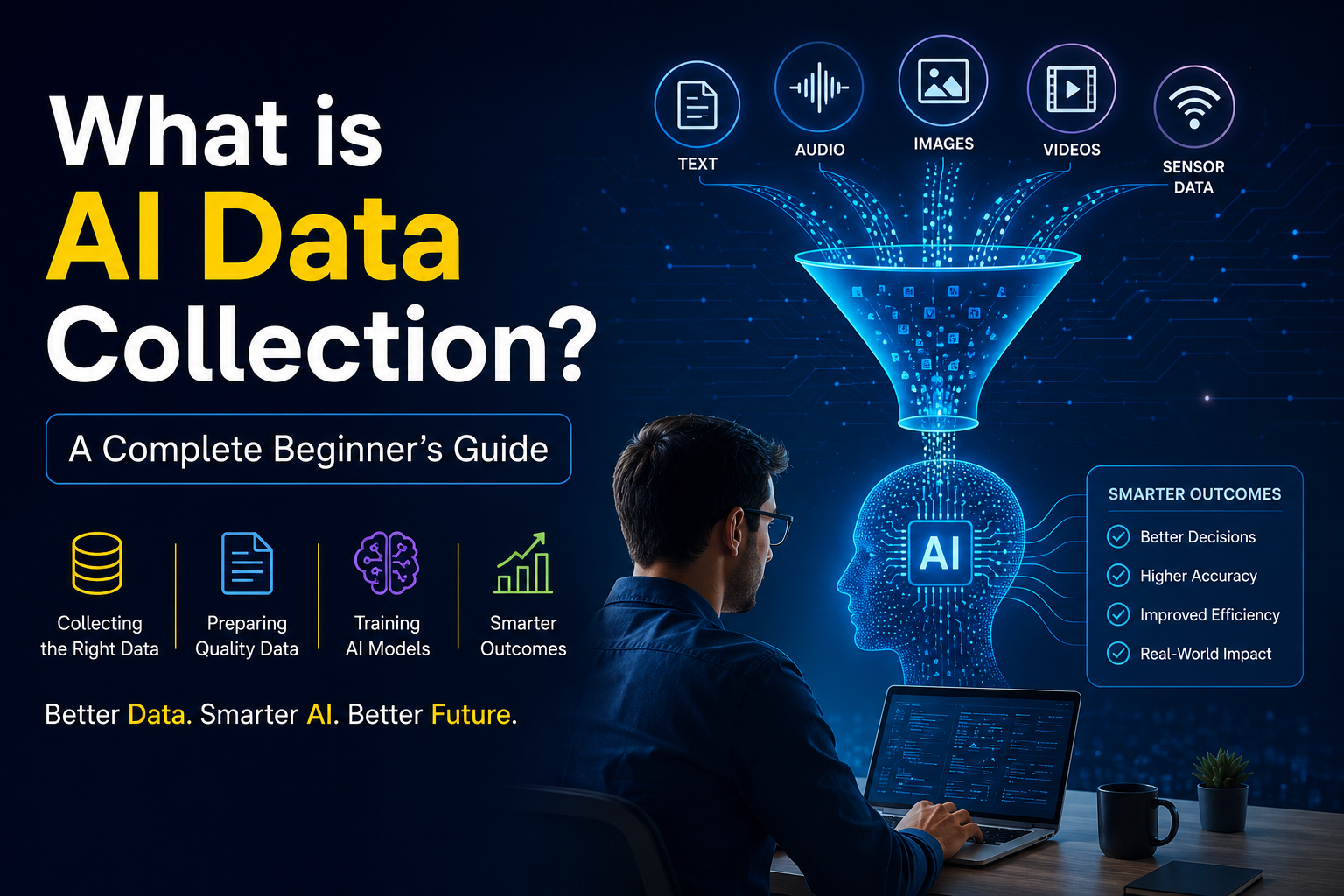
AI systems require large amounts of high-quality training data.
Professionals must ensure:
Different projects may require expertise in:
These roles are often ideal starting points for beginners.
Machine Learning Operations (MLOps) support teams help maintain AI systems by:
Strong documentation skills are highly valued because AI systems require detailed tracking and reporting.
These roles provide exposure to advanced machine learning workflows and can lead to engineering or AI specialist positions.
Even if you lack direct AI experience, include:
Use relevant keywords such as:
Instead of saying:
"Analyzed business data."
Write:
"Analyzed 50,000+ customer records and identified trends that improved reporting accuracy by 20%."
A portfolio demonstrates practical ability better than certifications alone.
Build projects involving:
Include:
Popular options include:
Create a professional LinkedIn profile highlighting:
Participate in:
Contributing to collaborative projects helps:
Look for opportunities on:
Many AI companies post openings directly on their career pages.
Industry groups and professional organizations often provide networking opportunities and job listings.
Customize each application by:
Common assessments include:
Prepare by ensuring:
Remote communication skills are often evaluated alongside technical abilities.
Review:
Assess:
Some employers provide:
These benefits can significantly improve the remote work experience.
The remote AI data job market offers tremendous opportunities for beginners seeking flexible and rewarding careers. By building technical skills in Python, SQL, and data analysis while strengthening communication and problem-solving abilities, aspiring professionals can position themselves for success.
Whether you begin as a data analyst, AI training data specialist, or machine learning support professional, each role provides valuable experience and a pathway toward advanced positions in the rapidly growing AI industry.
With consistent learning, a strong portfolio, strategic networking, and a focused job-search approach, landing your first remote AI data position is achievable.
No. While a relevant degree can be helpful, many employers prioritize practical skills, certifications, and portfolio projects over formal education.
Python is the best starting point because it is widely used in AI, machine learning, and data analysis. SQL is also highly recommended.
Entry-level salaries generally range from $45,000 to $75,000 annually, depending on the role, employer, location, and experience level.
Many companies hire globally, although some positions may have restrictions related to time zones, legal requirements, or client needs.
Most beginners can develop foundational skills within 6–12 months through focused learning, project work, and practical experience. The job search process typically takes an additional 1–3 months.
Remote Ghar